

For families in Hong Kong—both expatriate and local—the “exit strategy” is a conversation that starts early. The roadmap is familiar: strive for a spot in a top-tier local school, save aggressively, and eventually send the children to the UK, Canada, or the US for secondary school. The goal? To give them a competitive edge, escape the pressure cooker of the local system, and broaden their horizons.
But a recent, heart-wrenching discussion within the Hong Kong community has sparked a different kind of debate. It forces us to ask a question that rarely appears in school prospectuses: Is the price of admission to an elite education the loss of your relationship with your child?
At Hong Kong Moms, we believe in making informed decisions. Today, we are looking beyond the tuition fees to analyze the “non-financial costs” of sending kids away, based on real testimonies from those who lived through it.
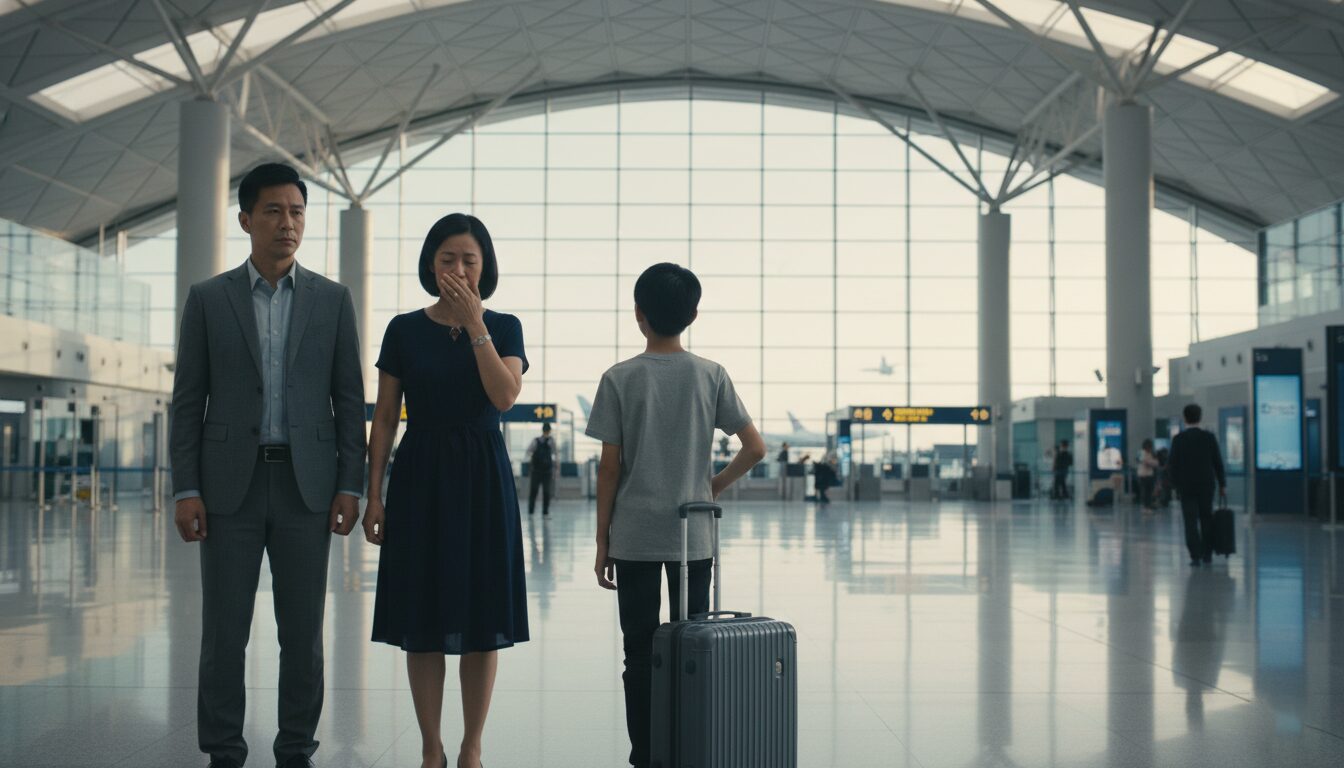
The “Western Individualism” Wedge
The catalyst for this conversation was a 34-year-old tech professional who recently opened up about the “immeasurable cost” of being sent from Hong Kong to a UK secondary school. While acknowledging that the move likely made them “happier and less stressed” academically, the long-term impact on family dynamics was severe.
The core issue isn’t just distance; it is a fundamental shift in values.
When children spend their formative years in Western institutions, they adopt Western perspectives. The former student noted that while Chinese culture prioritizes “group harmony” and the collective, their UK education made them “individualistic.”
“Often times I would try to communicate my opinions that would contradict with my family… and I would get negative reactions from them. I found it strange because I was expecting an open discussion.” — Former International Student
This creates a cultural wedge. The parents expect the traditional “filial piety“—the expectation that the child will visit often and care for them in old age. The child, however, has been raised to value independence and autonomy. The result? A “conundrum” where the parents feel abandoned and the adult child feels misunderstood.
Data Comparison: The Boarding School Trade-Off
To help you visualize the risks and rewards discussed by the community, we have compiled a comparison of the “Stay vs. Go” debate based on the experiences shared by parents and former students.
| Feature | Sending Child Abroad (Boarding) | Keeping Child in HK (International School) |
| Academic Pressure | Lower Stress. Escapes the relentless HK drill. Former students report being “happier” and “less stressed” abroad. | Variable. International schools offer balance, but the city’s overall “pressure cooker” vibe remains intense. |
| Independence | High. Creates street smarts and resilience. Families note that children become adaptable and self-reliant earlier. | Moderate. Children remain in the “safety net” of the parental home longer. |
| Family Bond | High Risk. Relationships rely on phone calls. One parent argued, “Kids need parents… emotional stability you can’t buy.” | Stronger Potential. Daily interactions allow for organic bonding, though teenage friction is inevitable. |
| Cultural Identity | Westernized. Risk of becoming a “Banana” (Yellow on outside, White on inside). Values may clash with parents later. | Hybrid. Easier to maintain a blend of Western education and traditional family values/language. |
| Emotional Risks | “The Drift.” Feeling of abandonment or distance. Some describe early boarding as a “legacy of Victorian Britain.” | “The Bubble.” Risk of being sheltered or unaware of global realities outside the HK expat bubble. |
Navigating the Drift: 3 Warning Signs from the Community
If you are currently weighing this decision, it is crucial to listen to the voices of the “children” who are now adults. Their hindsight offers a warning that no university acceptance letter can quantify.
1. The “Victorian Legacy” and the Age Factor
There is a massive consensus that age matters. Sending a child away for University (18+) is viewed as a natural step toward adulthood. Sending a child away for secondary school (11-13) or earlier is viewed by many as damaging.
One UK native who attended boarding school noted that peers who started very young (4 or 5 years old) often turned out “fairly odd, either very quiet and distant, or rebellious.” Another observer went further, describing the practice of sending young children away as “inhumane” and a damaging “legacy of Victorian Britain.”
The Lesson: If you must send them, later is better. The psychological safety of a home environment is critical during the early teenage years.
2. The Fallacy of “Quality Time” via Technology
Many parents believe that video calls and frequent flights can bridge the gap. The original poster admitted that their parents “had good intentions” and thought calling twice a week would maintain the relationship. It didn’t.
As one current student pointed out, distance creates a safe space for secrets. When you don’t live together, it becomes easy to hide your true self—whether that’s your political views, your relationships, or your struggles—to “keep the peace.” Over time, the parents realize they don’t actually know the adult their child has become.
The Lesson: Communication is not the same as connection. Connection happens in the mundane moments—the car rides, the dinners, the silent presence—that you cannot replicate over Zoom.
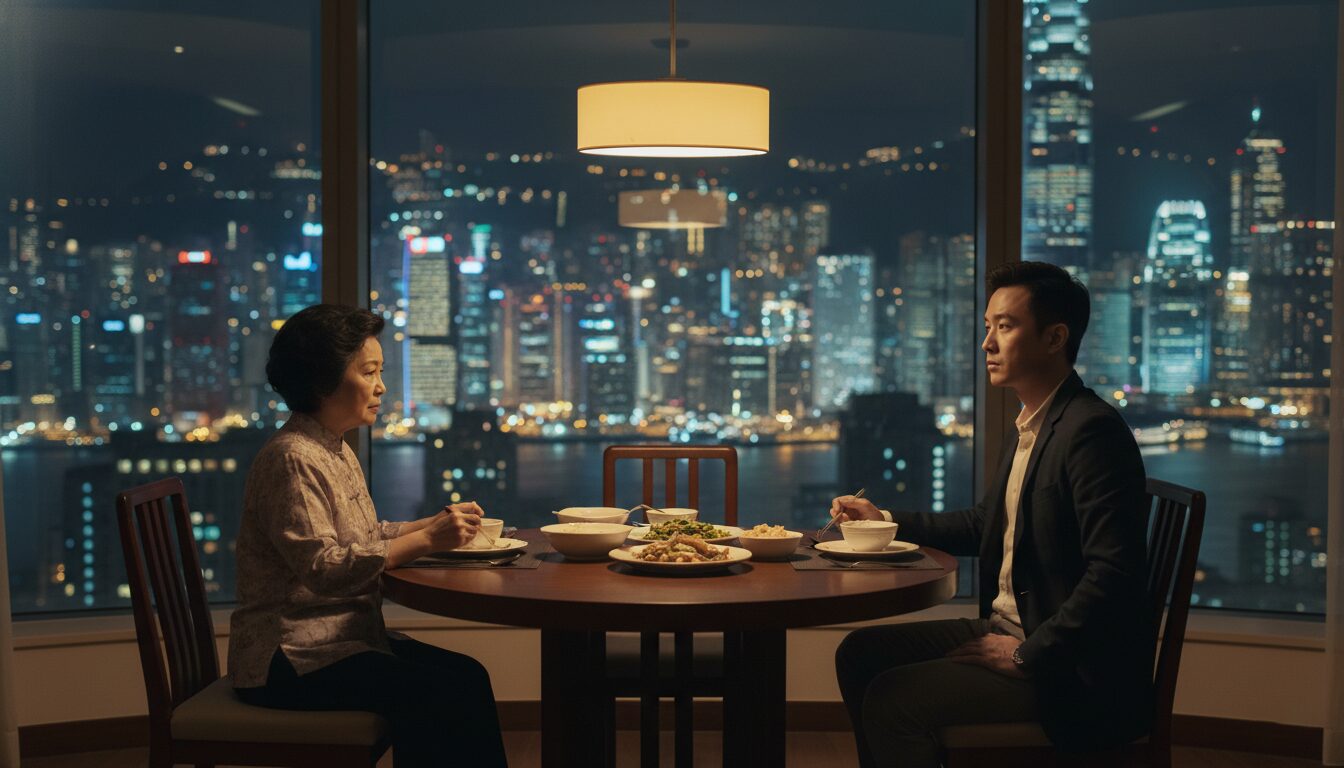
3. The “Home Alone” Realization
Perhaps the most poignant sentiment shared in the discussion came from one reflective commenter, who referenced a quote from Macaulay Culkin regarding his on-screen mother: “I thought we had more time.”
A parent in the community, who attended UK boarding school in the 80s, expressed gratitude for the opportunity but stated firmly that they would not do the same for their own kids.
“That window is short… It can’t be turned back. The difficulties/stress/trying to teach them stuff… is all part of the package. I would rather live it than skip or miss it.” — Parent & Former Boarding Student
The Lesson: Parenting is a finite resource. Once you outsource the daily raising of your teenager to a boarding house master, you cannot get those years back.
Key Takeaways
The “Care Taking” Paradox: Don’t expect a child raised in a Western individualistic system to naturally adhere to traditional Eastern expectations of caring for elderly parents. The culture you send them to will become the culture they adopt.
The “Banana” Effect is Real: Your child may look like you, but their internal operating system will change. As the viral post highlighted, this can lead to “negative reactions” when they express opinions that contradict family traditions.
Money Can’t Buy Closeness: As one parent eloquently put it, “Money sending them overseas is obviously a huge leg up in achieving wealth but comes at great cost to personal relationship.”
Consider the “Why”: Are you sending them away for their benefit, or because it’s what “upper middle class” families in Hong Kong are “supposed” to do?
The Verdict:
There is no single right answer, but there is a clear warning. If you choose the path of overseas education, be prepared to work twice as hard to maintain the emotional bond. The prestige of a foreign degree is valuable, but having a child who feels known, understood, and connected to you is priceless.
Are you struggling with the decision to send your child away, or dealing with the drift after they’ve returned? Join the conversation in our community forum.


